


01 · Start
Use the forecast—or choose manually.
Search a city or ZIP code, use your current location, or set every condition yourself. Forecast loading is optional.
Running weather tool
Load a local forecast or set the conditions yourself, then adjust for effort, duration, and your own thermostat.
Your starting point
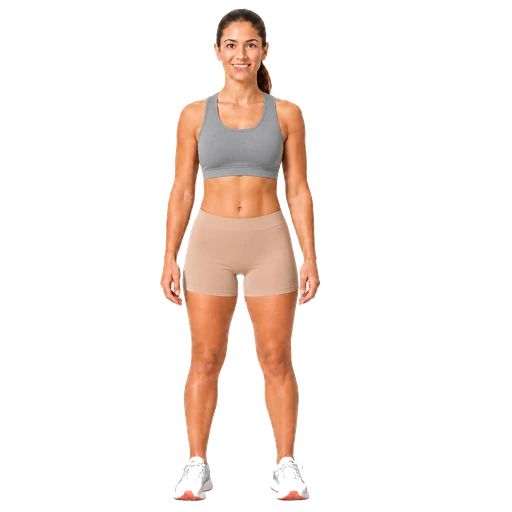 Reflective add-on
This is a comfort starting point, not a safety guarantee. Check official alerts and change plans when conditions call for it.
How it works
The same air temperature can feel very different in wind, rain, sun, or a hard workout. This tool keeps those adjustments visible instead of hiding them behind one number.
01 · Start
Search a city or ZIP code, use your current location, or set every condition yourself. Forecast loading is optional.
02 · Adjust
Wind and precipitation usually increase protection needs. Sun and harder running can make the same temperature feel warmer.
03 · Personalize
Use duration and “your thermostat” to adapt the layers. Treat the result as a starting point, then remember what worked.
Keep it by the door
Seven temperature bands, three weather conditions, and both Fahrenheit and Celsius—designed for one landscape page.
Three useful layers
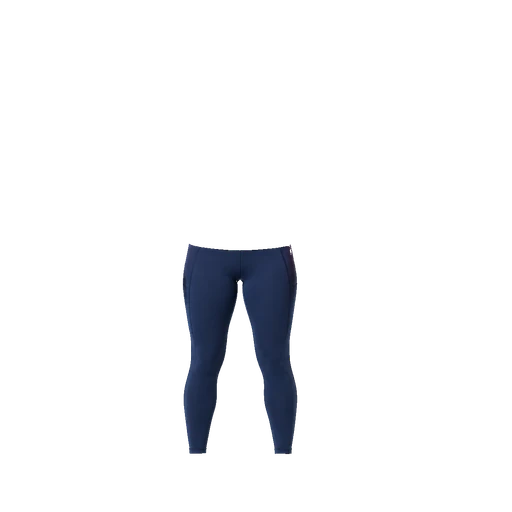
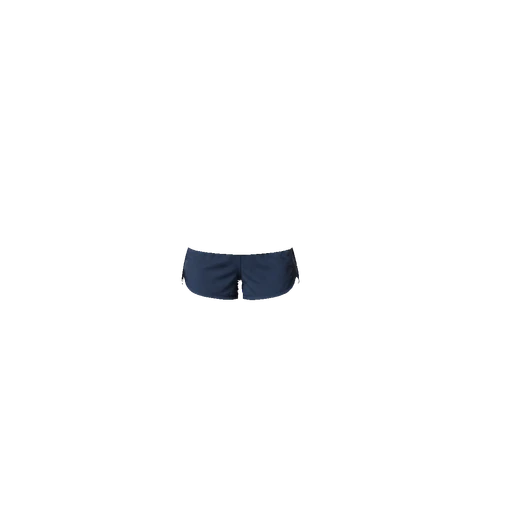
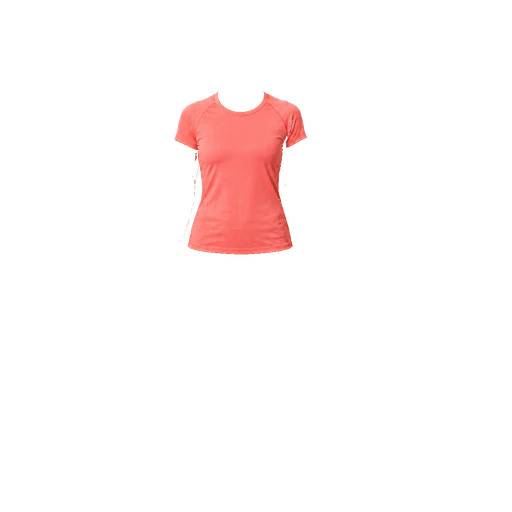
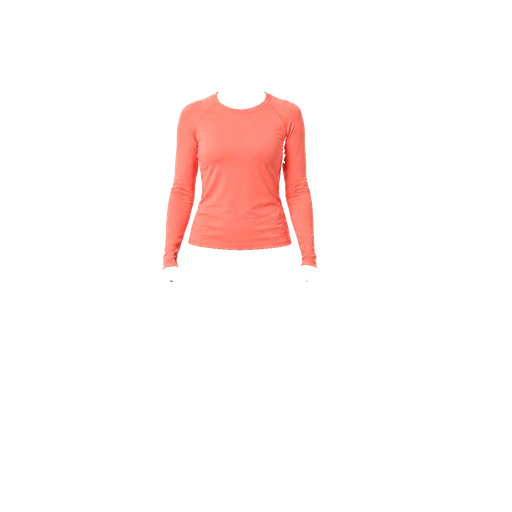
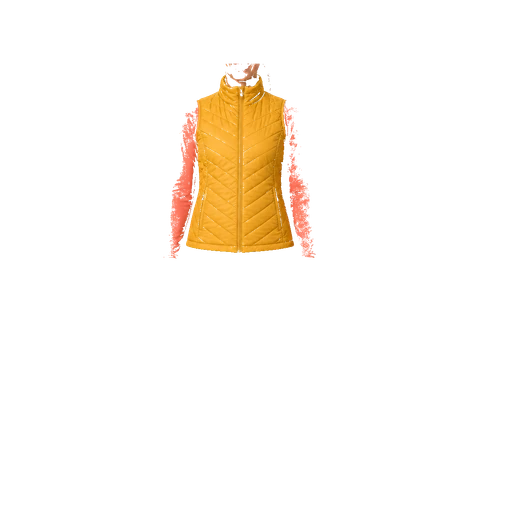
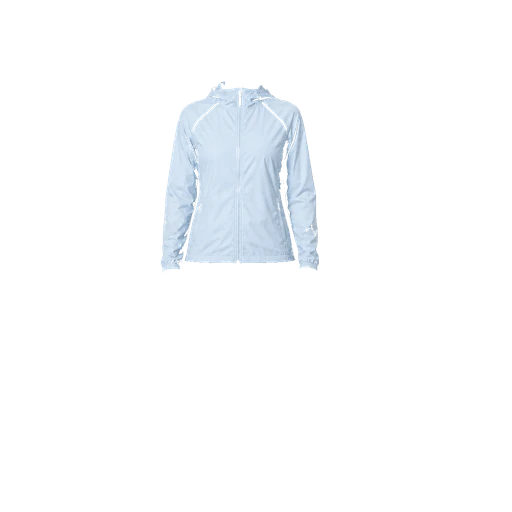
A base layer manages sweat. A mid-layer retains warmth. An outer layer blocks wind and precipitation. You may not need all three, but thinking in roles makes it easier to adjust.
Dress for the coldest or most exposed part of the route, not only the first mile. Carry a layer when a long run, changing weather, or an injury could leave you moving more slowly than planned.